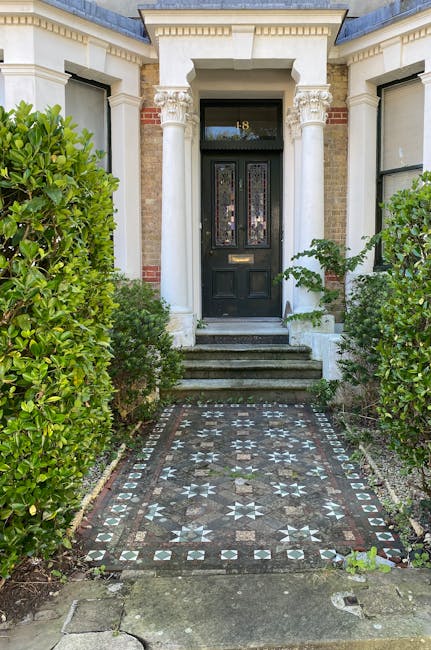
Kew Gardens Removals Options for Period Properties
Moving out of a period property in Kew Gardens can feel a bit like carrying a grand piano through a narrow hallway: everything matters, and small mistakes become big ones fast. The staircases are tighter, the doors are often narrower than you expect, and the building itself usually asks for more care than a modern flat ever would. That is exactly why Kew Gardens removals options for period properties deserve a proper, thoughtful plan rather than a one-size-fits-all approach.
Whether you are leaving a Victorian terrace, a converted townhouse, or a listed home with delicate finishes, the right removals method can protect your belongings, reduce stress, and make the move feel controlled instead of chaotic. In this guide, we will look at the most suitable options, how each one works, what to watch for in older homes, and how to choose a service that actually fits your property rather than fighting against it.
Why Kew Gardens removals options for period properties Matters
Period properties are not just "old houses". They tend to have quirks that affect every part of a move: awkward turns, original flooring, fragile plasterwork, sash windows, tight front paths, and rooms that simply were not designed for modern furniture packaging. In Kew Gardens, where you often see elegant homes with character, that can mean your removals plan needs more patience and better judgement than usual.
The wrong approach can lead to scuffed bannisters, damaged corners, bruised walls, or a sofa that gets stuck halfway down the stairs. And honestly, nobody wants to be that person standing in the hallway at 7:15 in the morning, measuring a chest of drawers against a doorway with growing dread. Better to think it through properly.
The main reason this topic matters is simple: older homes reward preparation. A service that understands period properties is more likely to plan for access, protect surfaces properly, and choose the right-sized vehicle and crew. If you are comparing home move support or a more flexible man and van option, the real question is not just cost. It is fit.
There is also the emotional side. Many period homes contain furniture with history. A dining table that has survived three generations probably should not be rattled down a staircase without care. The move is not just about getting from A to B; it is about preserving the character of the home and the things inside it.
How Kew Gardens removals options for period properties Works
At a practical level, the process starts long before moving day. A good removal plan for a period property usually begins with an access review: front entrance, hallway width, staircase shape, room layout, parking distance, and whether bulky items need dismantling before anything is loaded.
From there, the service is matched to the home. For some properties, a smaller vehicle and a nimble crew are the best fit. For others, a larger team with a moving truck or removal truck hire is more efficient, especially where the move involves several rooms of furniture, artwork, and packed boxes that need to go in one clean run.
In period homes, the key is sequencing. Heavy items come out first only if the route is safe. Sometimes the smartest thing is to remove smaller pieces, protect floors, and clear the awkward objects before the larger furniture is moved. You do not want a king-size headboard meeting a narrow landing at speed. That never ends well.
Well-run movers will usually consider:
- how many people are needed to handle stairs safely
- whether furniture should be dismantled in advance
- which items are most vulnerable to scratches or vibration
- how long loading is likely to take in a restricted street
- whether packing support would reduce the chance of damage
If you need help with the packing stage too, packing and unpacking services can make a real difference. In older homes, careful wrapping is not a luxury. It is often the thing that saves corners, glass, mirrors, and awkwardly shaped furniture.
Key Benefits and Practical Advantages
The best removals option for a period property is not always the largest or the cheapest. It is the one that reduces friction. That is the real win.
Here are the advantages that matter most:
- Less risk of damage to original woodwork, plaster, floors, and furniture
- Better handling of awkward access such as steep stairs and tight landings
- More efficient loading because the team has already planned the route
- Lower stress on moving day when everyone knows what happens next
- Improved protection for valuables through better packing and wrapping
- Cleaner decision-making around vehicle size, manpower, and timing
There is also a subtle but important advantage: a suitable removal method helps preserve your energy. Moving from a period property can be physically and mentally tiring, especially if you are juggling keys, parking, neighbours, or children who seem to appear exactly when you need a corridor clear. A calm, well-matched service prevents the day from becoming a marathon of tiny emergencies.
Expert summary: For period homes in Kew Gardens, the best removals option is usually the one that balances access, protection, and speed rather than simply chasing the lowest headline price.
Who This Is For and When It Makes Sense
This topic is especially relevant if you live in, or are moving out of, a home where the original layout still shapes daily life. That could include Victorian terraces, Edwardian houses, Georgian conversions, or any older property with narrow stairs, original fixtures, or delicate surfaces.
You will usually benefit from a tailored removals approach if:
- your property has tight internal access or multiple stair flights
- you own larger or delicate furniture pieces
- you are moving during a busy street-parking period
- your home includes fragile finishes, antique fittings, or original floors
- you need packing support as well as transport
It also makes sense if you are trying to decide between a smaller crew and a full household removal. A compact move might suit a flexible service like man with van support, while a larger family home may need a more structured setup through house removalists. The right answer depends on the property, not just the postcode.
Truth be told, period properties are often more forgiving when movers respect their limitations. Forcing the process rarely helps.
Step-by-Step Guidance
If you want the move to go smoothly, treat it as a sequence rather than a single event. That sounds obvious, but it is where many people get caught out.
- Walk through the property carefully. Note narrow stairs, low ceilings, fragile corners, and any rooms that need extra protection.
- Measure large items. Sofas, wardrobes, bed frames, mirrors, and dining tables deserve proper attention. Guessing usually ends in mild panic.
- Decide what should be dismantled. Some furniture moves better in sections. If it can be safely taken apart, often it should be.
- Choose the right service type. For lighter loads, man and van arrangements can work well. For bigger moves, a more complete household service may be the safer bet.
- Protect the property first. Floor coverings, door protection, and corner guards matter more in older homes than people sometimes expect.
- Pack by room and fragility. Keep heavier items low, label delicate boxes clearly, and do not overload bags.
- Plan parking and loading. On narrower Kew Gardens streets, a little logistics planning saves a lot of time.
- Confirm the moving day flow. Who arrives first? Which items leave first? Where do boxes land at the new address?
If you are moving a business or mixed-use property from a period building, the principles are similar, though the priorities may shift a little. For example, timing and access often matter even more, which is where commercial moves or office relocation services may be more relevant than a standard domestic arrangement.
Expert Tips for Better Results
Little decisions make a big difference in older homes. Here are the ones that tend to pay off.
- Use proper wrap on corners and legs. Antiques and painted furniture chip easily, especially when negotiating stair turns.
- Keep the route simple. The less backtracking, the better. A straight route is worth its weight in gold.
- Move the most awkward item first. If the sofa or wardrobe is the one thing everyone is worried about, tackle it early while everyone is fresh.
- Label fragile boxes on more than one side. You will thank yourself later when boxes are stacked in a dark hallway.
- Photograph assembly points. Tiny screws and fittings have a habit of disappearing at the worst moment. Strange, but true.
- Leave buffer time. Period-property moves tend to take longer than people think. Best to be generous with the schedule.
One small but useful tip: if the property has a well-worn staircase runner or fragile flooring, mention it clearly before move day. Teams can then plan the protection properly rather than improvising while already carrying something heavy. Nobody wants improv in a hallway.
And if you are shifting furniture to storage, charity, or a second property before the main move, a simple furniture pick-up may help reduce clutter before the bigger day arrives.
Common Mistakes to Avoid
Period-property moves are often derailed by a handful of predictable mistakes. The good news is they are easy to spot once you know what to look for.
- Choosing a removals option before checking access. Pretty homes can hide difficult layouts. Always inspect first.
- Underestimating furniture size. A wardrobe looks manageable until it reaches the staircase.
- Skipping protection for floors and bannisters. In older homes, that is asking for trouble.
- Mixing delicate and heavy items together. It saves time while packing but often costs more in damage.
- Not allowing enough labour. One person and a van may work for very small loads, but not for a full house.
- Forgetting disposal or clear-out needs. Old properties often contain items that need to be moved on, not just relocated.
A slightly awkward truth: people often decide based on price alone, then end up paying in stress, delays, or repairs. That is not smart money. It just looks like it for the first five minutes.
If you need a broader option for heavier household contents, a more structured move using removal truck hire can make more sense than squeezing everything into a smaller vehicle. Sometimes bigger is not extravagant. It is simply safer.
Tools, Resources and Recommendations
You do not need specialist equipment to start planning, but a few simple tools make the process much smoother.
- Tape measure: essential for doors, stair widths, hallways, and the furniture itself
- Sticky labels and markers: useful for room-by-room box tracking
- Furniture blankets and wrap: good for corners, polished surfaces, and awkward shapes
- Floor protection: especially valuable in homes with original boards or runner carpets
- Basic toolkit: for disassembly and reassembly of beds, shelving, and tables
- Inventory list: helps you keep track of key items and identify missing pieces quickly
For many readers, the most helpful resource is not a gadget at all. It is a realistic plan. A written checklist, a room-by-room pack order, and a clear idea of which items need extra care will do more for your move than fancy boxes ever will.
If you want to understand the company behind the service options, take a look at the about us page. And if you are ready to talk through your move, the contact page is the natural next step.
Law, Compliance, Standards and Best Practice
For a residential move in a period property, the big compliance themes are usually safety, access, and care rather than complicated legal procedures. That said, it is still worth being sensible about them.
In the UK, movers should operate with appropriate insurance, handle goods with reasonable care, and respect property access rules where applicable. If parking is tight or loading needs to happen on a busy street, it is wise to check local restrictions and plan ahead rather than assuming everything will be fine on the day. That assumption, by the way, has ruined many otherwise decent moves.
Good practice also includes:
- clear communication about fragile items and access limits
- using enough people for heavy lifting rather than overloading one mover
- protecting walls, floors, and furniture before moving begins
- keeping walkways clear to reduce trip hazards
- storing sensitive documents and valuables separately
If you are moving commercial equipment, office furniture, or file storage from a period building, the standard of care should be even higher because of the mix of assets and deadlines. A little structure goes a long way. No mystery, no heroics.
Options, Methods, or Comparison Table
Different move types suit different period-property scenarios. The best choice depends on volume, access, and how delicate the items are.
| Option | Best for | Strengths | Watch-outs |
|---|---|---|---|
| Man and van | Smaller loads, flexible timing, lighter furniture | Flexible, efficient, often ideal for compact moves | May not suit a whole household or very bulky items |
| Man with van | Single-room moves, partial loads, local transfers | Simple and often cost-conscious | Needs careful planning for stairs and fragile items |
| House removalists | Full-home moves with multiple rooms | More structured, better for complex household moves | May be more than you need for a small move |
| Moving truck or removal truck hire | Larger loads, mixed furniture, faster loading | Better capacity and fewer trips | Needs space for access and parking |
| Packing and unpacking services | Fragile items, busy households, tight timelines | Reduces damage risk and speeds up moving day | Best used as part of a wider moving plan |
If you are not sure which option fits, start with the property itself. How hard is access? How many items are moving? How much protection do the interiors need? Those three questions usually point you in the right direction.
Case Study or Real-World Example
Picture a typical Kew Gardens period house: narrow hallway, a twisting staircase, original bannisters, and a couple of decent-sized pieces of furniture that have been in the family for years. The owners want to move everything in one day, but the wardrobe will not clear the landing unless it is dismantled. The dining table is heavy, and the mirror above the fireplace is fragile enough to make everyone a bit nervous.
In that kind of move, a smaller, flexible crew might handle the access better than a larger, rushed operation. The movers would usually begin by protecting the hallway and stairs, then removing the easiest items first to create room. The wardrobe is taken apart, wrapped, and moved in sections. Fragile pieces are separated and loaded after the heavier items so they do not get crushed.
What makes this work is not speed. It is sequencing. The job feels calmer, the property stays protected, and the family gets to the other side of the day without a row over a scratched bannister. Which, let's be honest, is a decent result.
In some cases, a move like this may also involve temporary storage or a staged removal of furniture before the main house move. That is where a practical service mix can help more than one big all-or-nothing booking.
Practical Checklist
Use this checklist before you confirm your move. It is simple, but it catches the things people often forget.
- Measure doors, stair widths, hallways, and large furniture pieces
- Identify fragile floors, railings, plaster, and original fittings
- Decide which furniture needs dismantling
- Set aside packing materials for delicate items
- Book the right size vehicle and crew for the load
- Plan parking and loading access at both addresses
- Label boxes clearly by room and fragility
- Keep important documents and valuables separate
- Confirm insurance and any special handling needs
- Allow extra time for stairs, awkward turns, and careful wrapping
Quick takeaway: if your period property has difficult access, treat the move as a logistics project first and a lifting job second. That shift in mindset saves stress.
Get a free quote today and see how much you can save.
Conclusion
Choosing the right Kew Gardens removals options for period properties is really about respect: respect for the building, for the furniture, and for your own time and energy. Older homes can be beautiful, but they tend to reward careful planning and punish shortcuts. Once you accept that, the whole move becomes easier to manage.
If your home has tight stairs, fragile finishes, or larger pieces that need more attention, the most sensible route is usually a tailored approach rather than a generic one. Start with access, match the service to the load, and give yourself enough time to do the job properly. It does not have to be dramatic. Just well considered.
And when the last box is out, the house is quiet in that slightly echoing way old homes get, and the hallway finally feels clear again, you will be glad you planned it carefully. That small sense of relief? Worth a lot.
Frequently Asked Questions
What is the best removals option for a period property in Kew Gardens?
The best option depends on access, furniture size, and how much you are moving. Smaller moves may suit a man and van service, while larger or more complex homes often need house removalists or a removal truck.
Are period properties harder to move out of?
Usually, yes. Narrow staircases, awkward entrances, and fragile finishes can make removals slower and more delicate. Good planning makes a big difference, though.
Should I dismantle furniture before moving from an older house?
If a piece is large, heavy, or awkward to turn on the stairs, dismantling often helps. It is especially useful for wardrobes, bed frames, and some tables.
Is a man and van service enough for a period home?
It can be, but only for smaller loads or partial moves. If you are moving a full household, you may need a larger team and vehicle.
How do I protect original floors and bannisters during the move?
Use proper floor coverings, corner protection, and careful handling. It also helps to keep the route clear so items do not brush against walls or railings.
Do I need packing services for a period property move?
Not always, but they are very useful if you have fragile items, antiques, glass, or a tight moving schedule. They also reduce the chance of damage.
How far in advance should I arrange removals?
As early as you can, especially if your property has difficult access or you need a specific moving date. Period-property moves often benefit from a bit more lead time.
What if my furniture does not fit through the staircase?
That is where measurement, dismantling, and planning matter. Sometimes the item needs to be taken apart in sections or moved using a different route.
Can removals be done while I am still living in the property?
Yes, many moves happen while people are still in residence. It just requires more organisation, especially if children, pets, or work calls are involved.
What should I ask a removal company before booking?
Ask about access planning, protection for floors and walls, insurance, crew size, vehicle size, and whether they have experience with older or period homes.
Do period properties need more moving time than modern homes?
Often they do. The extra time comes from careful handling, tighter spaces, and more detailed protection work. It is better to allow the slack than to rush.
Where can I find more about the service provider?
You can read the about us page for company background and use the contact page to discuss your moving needs.