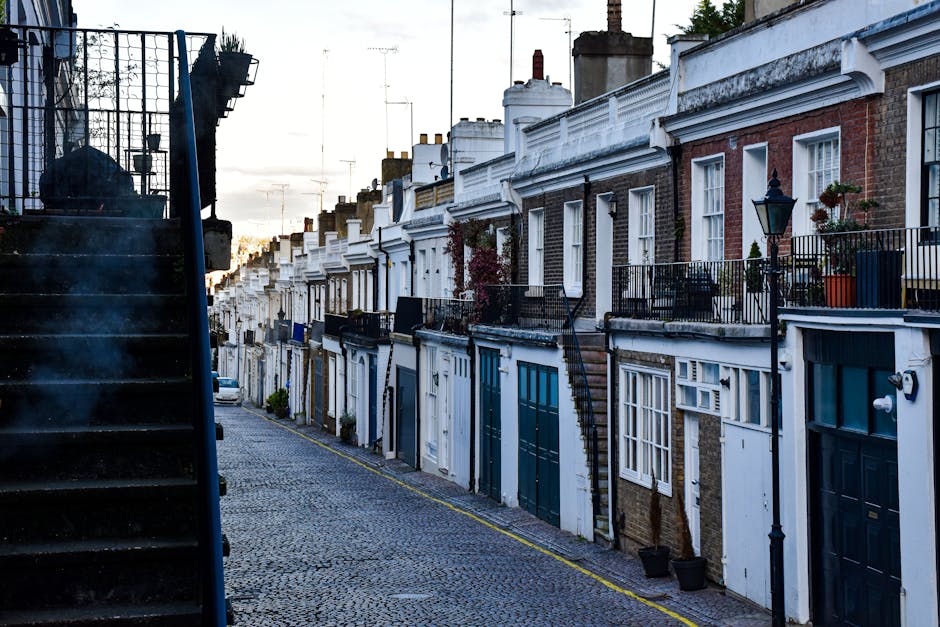
Richmond Hill Removals Guide for Narrow Streets and Stairs
If you are planning a move in Richmond Hill, you already know the problem is rarely the boxes. It is the narrow streets, the awkward parking, the tight staircases, and that one sofa that suddenly looks two sizes larger on moving day. This Richmond Hill removals guide for narrow streets and stairs is designed to help you avoid the usual stress and make the whole process feel a lot more manageable. Whether you are moving a flat above a shop, a terraced house with a steep landing, or a family home where the front access is a bit of a squeeze, the right approach matters. A lot.
Truth be told, these moves are not about brute force. They are about planning, angles, timing, and knowing when to downsize the vehicle, split loads, or bring in extra hands. The good news? With a sensible plan, even a difficult access move can feel calm and controlled. Below, you will find practical steps, common mistakes, local-minded advice, and a realistic breakdown of the options that tend to work best.
Table of Contents
- Why Richmond Hill removals guide for narrow streets and stairs Matters
- How Richmond Hill removals guide for narrow streets and stairs Works
- Key Benefits and Practical Advantages
- Who This Is For and When It Makes Sense
- Step-by-Step Guidance
- Expert Tips for Better Results
- Common Mistakes to Avoid
- Tools, Resources and Recommendations
- Law, Compliance, Standards, or Best Practice
- Options, Methods, or Comparison Table
- Case Study or Real-World Example
- Practical Checklist
- Conclusion
- Frequently Asked Questions
Why Richmond Hill removals guide for narrow streets and stairs Matters
Richmond Hill has a lot going for it: character properties, older buildings, compact streets, and a layout that can be lovely to live in but slightly annoying to move through. That is the reality. Narrow roads can limit where a lorry can stop, while stairs can turn a perfectly normal wardrobe into a planning problem. If a move is underprepared, you can end up with delays, strained backs, or items that simply will not fit the route you expected.
This matters most because removals are time-sensitive. The longer a truck idles waiting for access, the more pressure builds. You start rushing. Rushing is where mistakes happen: chipped bannisters, scuffed walls, dropped drawers, and stressed neighbours peering out of windows at 8:15 in the morning. Not ideal.
In our experience, the best Richmond Hill moves are the ones where the access challenge is treated as part of the job, not an afterthought. Once you accept that the street and staircase shape the move, everything else becomes easier to solve.
Expert summary: Narrow-street and stair-heavy removals succeed when access is assessed early, furniture is measured properly, and the loading plan is built around the property instead of forcing the property to fit the plan.
How Richmond Hill removals guide for narrow streets and stairs Works
The process starts before anyone lifts a box. First, the move is reviewed from the outside in. That means checking street width, parking options, entry points, stair turns, ceiling height, and where large furniture will need to pass. A lot of people measure the sofa but forget the hallway bend. That little detail can change everything.
Next comes the vehicle choice. For some Richmond Hill addresses, a large truck is useful for moving volume efficiently. For others, a smaller vehicle or a man and van service is smarter because it is easier to position on tighter roads and can handle split loads more flexibly. If the move involves more complex scheduling or a bigger household, a dedicated house removalists team may be the better fit.
Then there is the stair strategy. Large items may need to be wrapped, rotated, or taken apart. Some pieces should be moved upright; others are safer on a blanket-lift with two people guiding from different points. The exact method depends on the object, the staircase, and the landing space. There is no magic trick, really. Just method.
If the move includes a full home relocation, it can also help to look at the wider planning support offered through home moves and related packing and unpacking services. That way, the access issue does not sit in isolation; it becomes part of a complete moving plan.
Key Benefits and Practical Advantages
A well-planned narrow-street move is not just safer. It is usually faster, less chaotic, and kinder to your furniture. That sounds obvious, but in real life people often only realise this once they have tried to manoeuvre a mattress around a sharp stair turn while holding the front door open with one elbow. Not glamorous.
- Less risk of damage: Careful route planning reduces knocks to walls, banisters, and doorframes.
- Better time control: When the load sequence is planned, movers are not constantly backtracking.
- More suitable vehicle choice: Smaller access roads often work better with vans or staged loading.
- Lower stress: You know what is moving first, what needs dismantling, and what should be protected.
- Cleaner communication: Everyone understands where to park, where to carry from, and which items are awkward.
There is another benefit that gets overlooked: confidence. Once you know the route can be managed, the whole day feels less fragile. You stop worrying about every tiny obstacle and start dealing with the actual move.
Who This Is For and When It Makes Sense
This guide is for anyone moving in or around Richmond Hill where access is not straightforward. That includes top-floor flats, maisonettes with narrow stairwells, period homes with steep steps, and properties where parking is close but not generous. If your furniture is bulky, heavy, fragile, or just plain awkward, you will likely need a more careful plan than a standard point-A-to-point-B removal.
It also makes sense if you are moving on a tight schedule. Narrow streets can slow things down if the team has to keep repositioning the vehicle, so even a small delay can ripple through the day. Likewise, if you have children, pets, or shared building access to manage, the logistics become more layered. That is normal. It does not mean the move is difficult beyond repair; it just means the plan needs to respect the building and the street.
For smaller loads, a flexible option such as man with van support can be a practical choice. For larger or more complex moves, a more structured service may be preferable. If the job includes commercial items, it may be worth considering commercial moves or office relocation services instead of trying to shoehorn a business move into a domestic setup.
Step-by-Step Guidance
A good move through a narrow street and up or down stairs is built step by step. Here is the practical sequence that tends to work best.
- Measure the access properly. Check staircase width, landing corners, front door height, and any tight bends. Measure the largest furniture pieces too, not just the obvious items.
- Assess the street and parking. Think about where the vehicle will stop, whether there is room to unload safely, and whether the road becomes busy at certain times of day.
- Identify the difficult items early. Sofas, beds, wardrobes, table tops, and appliances usually need the most attention. If something looks awkward, it probably is.
- Decide what should be dismantled. Some items move far better in pieces. Taking off legs, shelves, or headboards can save a lot of friction on the day.
- Protect the route and the furniture. Use blankets, wraps, and corner protection for fragile or sharp-edged items. Stairs and bannisters need protecting too.
- Load in the right order. Put the heaviest and most stable pieces in first, then build around them. Small boxes should fill gaps, not create wobble.
- Keep one person focused on access. On tight staircases, it helps when somebody stays alert to wall clearance, handles, and turning angles.
- Leave a little breathing room. The best moves are rarely the ones packed to the ceiling. A small gap in the plan can prevent a big problem later.
It sounds methodical because it is. But the method saves time. Every single time.
Expert Tips for Better Results
Small decisions make a huge difference in narrow-street removals. A few that stand out from experience:
- Move the hardest items first. If a sofa or wardrobe is going to be awkward, tackle it while everyone is fresh.
- Use simple labels. "Top floor bedroom" beats a vague note that nobody remembers after lunch.
- Keep staircases clear. It sounds basic, but a single bag, plant pot, or laundry basket can create a bottleneck.
- Separate essentials early. Kettle, chargers, documents, toiletries, and medication should not be buried under random boxes.
- Wrap before the move starts. Waiting until the item is in the doorway is usually too late.
- Be realistic about weight. A chest of drawers might look manageable until you hit the second landing and the angle changes. Then it gets cheeky.
One practical tip that helps a lot: walk the route from room to vehicle before anything heavy moves. You will often spot the snag in advance, whether it is a tight banister, a low ceiling, or a door that only opens halfway because of a shoe rack. Tiny thing. Big difference.
If you need extra lifting support for single items, furniture pick up can be useful for awkward removals, especially when a larger job does not make sense. For heavier transport needs, a moving truck or removal truck hire may fit the job better.
Common Mistakes to Avoid
Let's be honest, most moving headaches are preventable. The same few mistakes crop up over and over again.
- Assuming a sofa will "just fit." That is a classic. If there is a narrow stairwell, measure properly.
- Ignoring parking constraints. A good mover still needs a sensible unloading point.
- Leaving packing to the last minute. Rushed packing creates heavier, less stable boxes.
- Not checking stair turns and landings. The wall may look harmless, but a sharp corner can stop progress fast.
- Using the wrong vehicle size. Too large and access becomes difficult; too small and you end up making extra trips.
- Forgetting building rules. Shared entrances, time restrictions, and neighbour considerations matter in real life.
A slightly comic one, if not ideal: people often remember the kettle, the cat, and the Wi-Fi router, but forget the wardrobe mirror until the last ten minutes. The mirror always waits until the end, of course.
Tools, Resources and Recommendations
You do not need a truck full of specialist gear to do this well, but a few things make the job easier and safer.
| Tool or resource | Why it helps | Best used for |
|---|---|---|
| Furniture blankets | Protects wood, paint, and fabric from scrapes | Stairs, bannisters, and tight doorways |
| Ratchet straps | Secures items safely in transit | Heavy furniture and stacked loads |
| Stretch wrap | Holds drawers, doors, and loose parts in place | Wardrobes, cabinets, and shelving |
| Hand truck or dolly | Reduces lifting strain where access allows | Boxes, appliances, and shorter runs |
| Measuring tape | Prevents avoidable guesswork | Furniture and staircase clearance checks |
| Inventory list | Makes loading and unpacking easier | Any move with multiple rooms or floors |
For many residents, the right support is less about owning all the gear and more about choosing a service that matches the access challenge. A home moves approach is helpful for general domestic relocations, while a more focused man and van setup may suit smaller properties or split loads. If you are comparing options, the best choice is the one that fits the street, the stairwell, and the volume of furniture rather than the one that sounds biggest.
Law, Compliance, Standards, or Best Practice
For moves involving narrow streets and shared access, best practice matters more than flashy promises. In the UK, movers and households should always be mindful of parking rules, access rights, and the safety of anyone using the building or street. That usually means avoiding blocked driveways, being considerate with noise and timing, and handling heavy items in a way that reduces the chance of injury or property damage.
If your building has shared stairwells, it is sensible to keep them clear for others and to protect common areas where possible. In some cases, building management or letting arrangements may include moving-day expectations. Those can vary, so check early. For safety, avoid carrying oversized items without enough people on the job, and do not try to force furniture through an opening that is clearly too tight. It is not worth it. A chipped wall is one thing; a twisted back is another.
Good practice also includes clear communication with neighbours if the move will briefly affect access or parking. You do not need a formal speech, just enough courtesy to keep the day smooth. A little consideration goes a long way, especially on a quiet street where people notice everything.
Options, Methods, or Comparison Table
Different moves call for different approaches. Here is a straightforward comparison to help you think it through.
| Option | Best for | Advantages | Watch-outs |
|---|---|---|---|
| Man and van | Smaller loads, flexible access, quick local moves | Easier on tight streets, often faster to position | May need multiple trips for larger households |
| House removalists | Full home moves, heavier furniture, more coordination | More structured support and load handling | Can be more than you need for a small flat |
| Moving truck | Larger volume, fewer trips, wider planning window | Efficient for big loads | May be harder to place on narrow roads |
| Removal truck hire | Moves where vehicle control matters and timing is specific | Flexible if you are managing the move yourself | You still need the manpower and route plan |
There is no universal winner. The best method depends on the shape of the property, the number of floors, and how much furniture is coming with you. A one-bedroom flat with a tricky stairwell can sometimes be harder than a larger place with easy ground-floor access. Funny how that works out.
Case Study or Real-World Example
Here is a realistic example. Imagine a couple moving out of a Richmond Hill flat on the first and second floors of a narrow terrace. The staircase turns sharply halfway up, the front hall is barely wide enough for two people to pass, and parking is tight because the street is already half full by mid-morning.
The move starts with measurements. The bed frame comes apart, the wardrobe doors are removed, and the sofa is checked against the stair turn before moving day. A smaller vehicle is chosen so access is easier. Boxes are grouped by room, and the most fragile items are packed separately. On the day, one person handles route protection while another manages the lifting. The trick is not speed. It is sequence.
What makes this type of move go well is that no one expects the property to behave like a warehouse. Instead, they work with the building. The result is usually calmer, cleaner, and less stressful. By the end of the afternoon, the couple may be tired, yes, but not wrecked. That is the sweet spot.
Practical Checklist
Use this checklist before move day. It saves time, and it saves arguments. Usually both.
- Measure the widest furniture pieces
- Measure stair turns, doorways, and landings
- Check parking and unloading space
- Confirm whether anything needs dismantling
- Protect floors, bannisters, and corners
- Pack fragile items separately
- Label boxes clearly by room
- Keep essentials easy to reach
- Choose the right vehicle size
- Tell neighbours or building management if access may be affected
- Leave extra time for awkward items
- Keep tools, tape, and wraps available on the day
If you are moving business items as well, it is worth looking at office relocation services or broader commercial moves so the packing and scheduling line up properly.
Conclusion
Richmond Hill removals are easiest when you treat narrow streets and stairs as part of the plan, not an inconvenience to work around later. Once you assess access, choose the right vehicle, protect the route, and pack with the building in mind, the move becomes much more predictable. That is the real goal: fewer surprises, fewer scrapes, and far less last-minute panic.
Whether you are moving a small flat, a family home, or a more complex load with fragile furniture, the smartest approach is the one that respects the space you are moving through. Simple, but true. And it usually pays off.
Get a free quote today and see how much you can save.
If you are still weighing up the best option for your access, a quick conversation with a trusted team can save a lot of second-guessing later. For more background on the company and how it works, you can also review the about us page or head straight to contact us when you are ready to talk through the details.
Frequently Asked Questions
How do you move furniture through narrow stairs without damaging the walls?
Use blankets, corner protection, and at least two people guiding the item. Measure the route first so you know where the tight turns are. If a piece is too awkward, dismantle it rather than forcing it.
Is a man and van service enough for a Richmond Hill move?
It can be, especially for smaller loads or properties with tight access. For larger homes, more furniture, or more stairs, a fuller removals setup may be more practical.
Should I dismantle my furniture before moving day?
If an item is bulky, heavy, or clearly awkward around stair corners, yes. Beds, wardrobes, tables, and some shelving units often move better in pieces.
What is the best vehicle for narrow Richmond Hill streets?
The best vehicle is the one that can actually reach and unload safely. Sometimes that is a smaller van rather than a large truck. Access and load size should decide it, not habit.
How much extra time should I allow for stairs and tight access?
It depends on the number of floors, the size of the furniture, and how much dismantling is needed. A move with difficult stairs usually needs more breathing room than a ground-floor job.
Can you move a sofa up a steep or narrow staircase?
Often yes, but not always. The staircase width, landing space, and sofa dimensions all matter. Sometimes rotating it carefully works; sometimes the safer answer is to remove parts or choose another route.
What should I pack separately for a move like this?
Keep essentials close: documents, chargers, toiletries, medication, keys, snacks, and anything you will need immediately on arrival. That saves a lot of rummaging when you are tired.
Are there special concerns in older Richmond Hill homes?
Yes. Older homes often have steeper stairs, tighter hallways, and less predictable access. That does not make them a problem, but it does mean you should plan more carefully.
How do I avoid bothering neighbours on a narrow street?
Move at sensible times, avoid blocking access for longer than needed, and keep shared areas clear. A quick heads-up helps if the road is especially tight or busy.
What if my biggest item will not fit through the stairwell?
First, check whether it can be dismantled. If not, look at alternative routes, different handling angles, or whether the item should be removed by a specialist service. Forcing it is usually the wrong move.
Do packing services help with awkward stair moves?
Yes, because well-packed items are easier to carry and less likely to shift while being moved. That is especially useful when the route includes multiple turns or tight landings.
When should I book removals for a difficult-access property?
As early as you can once your moving date is fixed. That gives time to check access, plan vehicle size, and make sure anything large is measured properly before the day arrives.